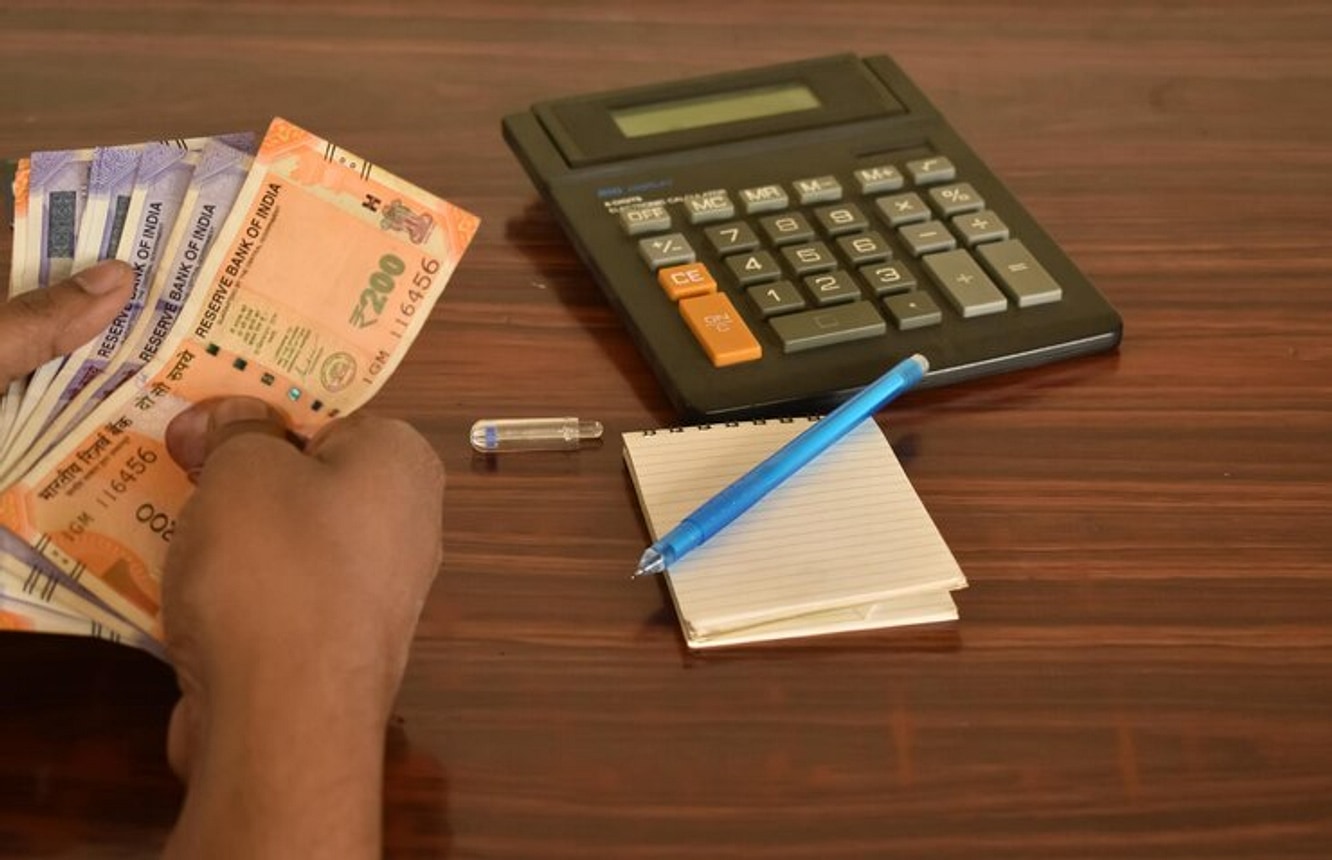
If you are a salaried employee living in a rented house and meet certain conditions, you can claim House Rent Allowance (HRA) to reduce your taxable salary. Let’s understand how you can calculate HRA exemption on your salary so that you can arrive at your correct tax liability after claiming the tax benefit.
HRA Exemption
The House Rent Allowance (HRA) is an allowance given to salaried employees as part of their salary package. You can claim a part of this allowance exempted from income tax if you meet certain conditions laid down under the Income Tax Act.
You don’t get any tax benefit on HRA just because your employer provides it to you in your salary. You should be paying rent for residential accommodation and also meet other conditions to claim HRA exemption from your taxable salary.
Who Is Eligible?
Any salaried employee who receives HRA from their employer and pays rent for their residence is eligible to claim HRA exemption.
Employees residing in their own self-owned residence or paid house where they are not required to pay rent to anyone else would typically not be able to claim HRA exemption. There are other conditions you should meet in order to be eligible to claim the HRA tax benefit.
Collect All Information
Have all your salary and rent details handy before you begin calculating HRA exemption. This will ensure you have all the information required for calculating the correct amount of HRA exemption which you can claim while filing your income tax return.
- Salary details
- HRA received as part of your salary
- Rent paid every month
- City you stay in
- Rent agreement if self-owned property
- Records of rent payment
It also helps if you keep all these documents ready throughout the year which will help you calculate your HRA easier when you go to file your taxes. It also helps establish your claim in the event the income tax department has any questions.
Determine Eligible Salary
Salary that is considered to be eligible salary for the purposes of HRA calculation. It is important that you understand what constitutes eligible salary before you go on to calculate your HRA exemption amount.
If you use salary amounts that are not eligible, you risk calculating the wrong amount which could lead to mistakes when you go to file your income tax return.
Know Your City of Residence
The city in which you reside impacts your HRA exemption as there are different conditions that need to be met if you live in a metro city as opposed to another city. Each condition is calculated differently and reaches a different exemption amount.
If you incorrectly claim which city type you reside in when calculating your HRA exemption, you may reduce your exempt amount or report the wrong information on your tax return. It’s important to first identify where you stay before continuing with your tax calculations.
Compare Conditions
There are three conditions for which you need to calculate HRA exemption. Once you have calculated all three conditions, you compare the three amounts. Your HRA exemption will be the lowest of the three amounts.
Instead of taking the highest number as your exemption, you need to complete all calculations and compare the three figures to determine your actual HRA exemption.
Calculate Actual Rent Paid
Add up the total rent paid during the year that you are claiming HRA exemption for. Ensure your rent paid is eligible rent paid and add that amount up before you compare it to the other two conditions.
If you keep a record of your rent paid each month, it’ll help you add up a total rent paid amount easily. Keeping your rent receipts will help support your HRA exemption should the government ask for proof of your claim.
Verify Salary Received
Your salary slip will have details of your salary and HRA received. Ensure that the salary and HRA shown by your employer is the same as what you have received.
- Ensure That
- The monthly salary slip shows your HRA earned
- HRA that you have received matches
Rent that you are paying is the same as what you claim
- Your employer’s salary records
- Your Form 16 reflects the same annual salary
Verifying your salary helps ensure that you do not miscalculate your HRA exemption. Claiming a higher HRA exemption without proof can reduce your exemption if you are audited by the income tax department.
Document Trail
Maintain rent agreement, rent receipts, bank statements showing rent payments etc. This documentation will help you prove your claim of HRA exemption.
Documentation makes it easier for you when you go to file your tax return. It also helps you should the government enquire about your tax return why you have claimed the HRA exemption.
- Errors to Avoid
Some taxpayers unknowingly lose their HRA exemption. Make sure you avoid the following common errors.
- Forgot to keep track of your rent paid
- Used wrong salary figures
- Claimed HRA even though they did not pay rent
- Did not verify salary from employer
- Didn’t double check their work
Avoiding the above mistakes will help you be sure of the HRA exemption you can claim and reduce the chances of you having to make changes to your return if selected by the income tax department.
Employer Verification
Some employers will want you to provide them with rent receipts before they process your salary against taxes. Give your employer all the information they need and by the due date.
Providing your employer with the information in a timely manner will reduce the chances of your salary being withheld for tax deduction at source.
Remembrance Salary
Claiming HRA exemption reduces your overall salary which is subject to tax. Claiming your HRA exemption will lower your total tax liability.
Remember this while going through the year and you’ll have a good idea of how much tax you may or may not need to pay when April tors.
Double Check Your Work
Double check your calculations before you go ahead and file your income tax return. Verify your salary records, bank records, the information provided by your employer and any documents you have used to calculate HRA exemption.
By double checking your work, you can reduce the chances of making a mistake when you file your return. You also ensure that your claimed HRA exemption matches your documentation and matches the conditions set forth by Income Tax.
🔢 Ready to calculate? Try our free HRA Calculator.
Open Calculator →