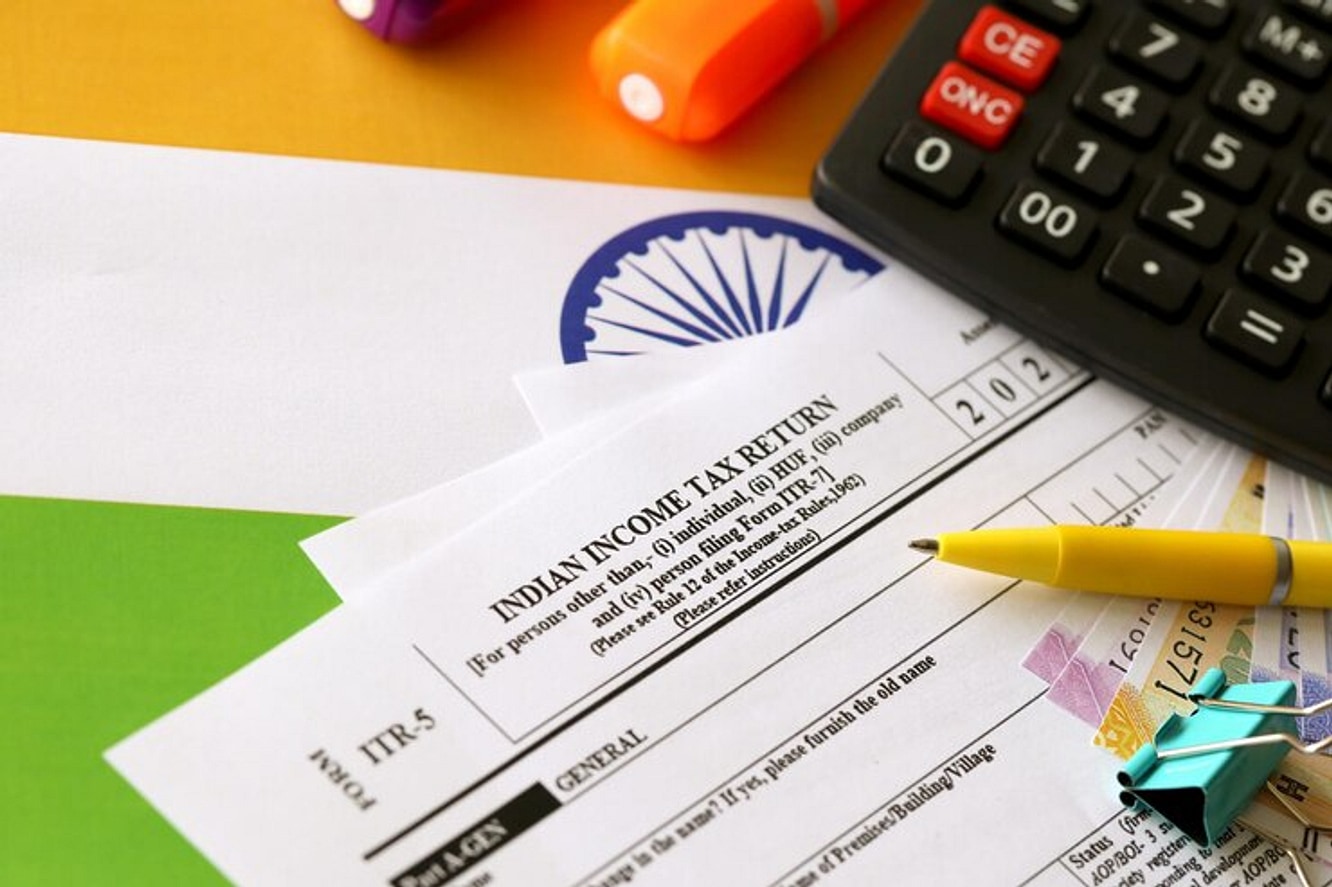
Knowing how to calculate income tax under the new regime allows you to predict your income tax payable for the year more accurately. Whether you’re someone who earns a monthly salary, freelance income, pension or business income, understand how the calculations work so you can plan finances better and avoid mistakes when filing your income tax return.
New Tax Regime Explained
Under the new regime, taxpayers get to enjoy lower tax rates across 6 income slabs. Unlike the old tax regime where taxpayers could claim multiple deductions and exemptions while calculating their taxable income, under the new regime, there are very few things you can claim.
However, before you go ahead and decide which tax regime to file your return under, calculate your total tax liability under both regimes. Chose the one which suits you best based on your salary structure and other components like deductions, investments, House Rent Allowance (HRA) etc. that would impact your total income for the year.
Why Do Taxpayers Prefer This?
Taxpayers prefer this regime because the calculation part is way simpler. If you don’t claim many deductions, your document load and paperwork is lesser too. If you aren’t investing with tax saving in mind, you will realise you actually end up filing your return much faster with easier tax planning throughout the year.
- Benefit from lower tax rates across 6 income slabs
- Do not have to make investments just to save tax
- Calculations are easy
- Quick return preparation
- Claiming deductions is much simpler
While many taxpayers find this option simpler, do remember to calculate the tax liability under both regimes before you finally decide which tax regime to file under.
Determine Your Gross Annual Income
The first step to calculate income tax is to know your total income from all sources. Add up your salary income, business income, income from profession, income from house property, pension, interest income etc. to calculate your total annual income.
Properly calculating your income is the first step to calculating your income tax correctly. Make sure you don’t leave out any sources of income. You may get hit with an income tax notice from the IT department if they notice discrepancies during the assessment or verification process.
Understand What Is Taxable Income
Taxable income is the amount of your income that is left after adjusting for the various deductions you can claim. As there aren’t many deductions under this regime, your taxable income is usually closer to your total income.
Taxable income allows you to understand how much tax you would possibly have to pay before the end of the financial year. Calculating this throughout the year can also help you better manage your money so that you aren’t caught by surprise when you go to file your income tax return.
Check Your Income Tax Slabs
The new tax regime works on the basis of slab wise taxation. Therefore you need to know under which slab your income falls in order to calculate your income tax for the financial year.
Remember, do not assume your income falls under one slab only and the same tax percent will be applied to your whole income. Rather, calculate tax for each slab that applies to your income. This will help you avoid mistakes while calculating your income tax.
Calculate Income Tax Per Slab
Once you know your total taxable income, you need to calculate tax for each of the applicable slabs. Add the income tax calculated for each slab. The sum will give you the basic income tax that you have to pay before considering surcharge (if applicable) or any other deductions.
Break down your taxable income as per the income tax slabs
- Calculate tax for each slab
- Add the tax calculated for each slab
- Review your calculations
- Stay updated with tax changes every year
Reviewing your calculations will ensure you do not make a mistake while filing your income tax return. Simple mathematical errors can lead to you paying more tax than you’re supposed to, or losing out on your refund.
Don’t Forget to Add Surcharge
While calculating your total income tax payable, do not forget to add the applicable surcharge. If you fall under the threshold for paying a surcharge, you do not have to include this while calculating your income tax.
Do note that as your income increases your surcharge percentages increase as well. Make sure you’re familiar with surcharge amounts so that you don’t under estimate your income tax while filing your return.
Add Health and Education Cess
Lastly add health and education cess to arrive at your total tax liability for the year. Income tax paid by you benefits many public facilities and adding the health and education cess ensures these facilities receive the funding they need.
Many taxpayers don’t realize they need to add the cess to their income tax calculation. Remember to include it to get an accurate amount of your tax liability when you go to file your return.
Check for Tax Rebate
You might be eligible for tax rebate if your total taxable income falls below a certain limit. Know if you’re eligible for a tax rebate as it could reduce the tax you have to pay by a great amount. In some cases, you might not have to pay tax at all!
- Know the rules for tax rebate
- Understand if your income falls under the limit for rebate
- Note that tax rules differ every financial year
Review the tax you have to pay after subtracting your rebate
- Keep proof of your income and investments
Understanding if you are eligible for tax rebate will help you avoid paying more taxes than you’re supposed to. Tax rules are different every year. Make sure you review the changes every year so that you don’t miss out on a tax rebate you’re eligible for.
Subtract the Tax Already Paid
If you’re a salaried employee you would have already paid tax during the year. The tax that you paid will be deducted from your total income tax and the balance is what you’ll either have to pay or will be refunded to you.
Remember to subtract the tax you’ve already paid when you go to file your return. Keep proof of the tax you’ve paid during the year in the form of certificates or bank documents so that you have proof while reconciling your tax paid.
Review Your Calculations
Ensure you review your calculations when you go to file your return. Double check every number you’ve put to avoid mistakes due to misreporting your income or jumping a step while doing your income tax calculations.
Reviewing allows you to double check if you’ve chosen the correct tax regime as well. Every year your financial situation can change allowing you to benefit more by opting either of the tax regimes.
Mistakes to Avoid While Calculating Income Tax
Many taxpayers end up paying more taxes than they should because they make silly mistakes while estimating their income tax. Avoid these common mistakes when calculating your income tax.
- Leaving out additional sources of income
- Forgetting to add surcharge
- Not adding health and education cess to income tax
- Misunderstanding tax slab calculations
- Not verifying your calculations
If you avoid making these mistakes your chances of getting a notice from the IT department reduces. You may save time during the processing of your return by taking that little extra time to review your income tax return.
Choose Between New or Old Tax Regime
Taxpayers are allowed to choose which tax regime they want to be taxed under. However, not every taxpayer will benefit the same under both regimes.
Taxpayers that claim many deductions will have a different experience when calculating their tax liability as compared to someone that does not claim many deductions. Take your time in evaluating your income every year before going ahead and choosing a tax regime.
🔢 Ready to calculate? Try our free Income Tax Calculator.
Open Calculator →